For a long time, the gap between having a great idea and actually seeing it live on my website was a significant friction point. It wasn’t the writing that was the problem—it was the “administrative tax”: the formatting, the tagging, the image optimization, and the manual upload process. I found that the more I focused on the mechanics of publishing, the less energy I had for the strategy of the content.
That changed when I moved toward a pipeline-driven approach, specifically by implementing the Hermes Agent, an AI system that managed the entire delivery process. Instead of manually bridging the gap, I built a system that treats the publication process as a data flow.
The Shift in Workflow: Setting Up the Bridge
I realized that the most efficient way to publish wasn’t to “use a tool to help me write,” but to “create a bridge that handles the delivery.”
In my current setup, I don’t log into the dashboard to post a draft. Instead, the process flows like this:
- Ideation & Drafting: I focus purely on the raw value—the a-ha moments and the technical laout.
- Agent Refinement: The Hermes Agent takes that raw draft, ensuring it adheres to a consistent structural a-priori (like ensuring a summary exists and the tone is consistent).
- API Delivery: The agent pushes the content directly to the site via the API.
By removing the manual “copy-paste-format-preview-publish” loop, I’ve essentially deleted the administrative tax. I no longer “publish posts”; I “manage a pipeline.”
The Security Layer: Protecting the Core
One of the biggest hurdles in automating publication is security. I was hesitant to give a script my primary administrator credentials.
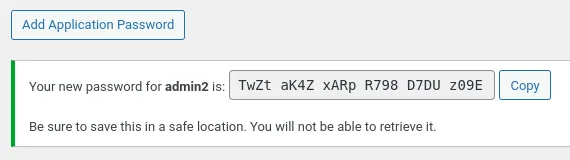
To solve this, I utilized Application Passwords. By creating a unique, limited-scope password specifically for the agent, I ensured that the script has exactly the permissions it needs to post, but no power to change my site’s core settings or access sensitive user data. If the script ever ever behaved unexpectedly, I could revoke that single key without having to change my main password or disrupt other services.
The Result: Shifting from Editor to Director
The most surprising result of this transition wasn’t just the speed—it was the mental clarity.
When you remove the manual labor of publishing, your role changes. I shifted from being an Editor (someone who worries about line breaks and tags) to a Director (someone who worries about the overarching narrative and the quality of the insight).
I found that when the “fear of the dashboard” was gone, I started experimenting more. I began publishing smaller, more frequent insights that I previously would have ignored because the manual effort of posting them felt too high for the perceived value of the post.
By automating the bridge, I didn’t just save time; I reclaimed the creative space needed to actually think.